
One catalyst platform. Two ways to make jet fuel.
Infinium turns waste carbon dioxide and renewable power into drop-in fuels. Now it does the same with methane. Both routes finish in the same reactor and produce fuel that meets the specifications aviation already flies on today.
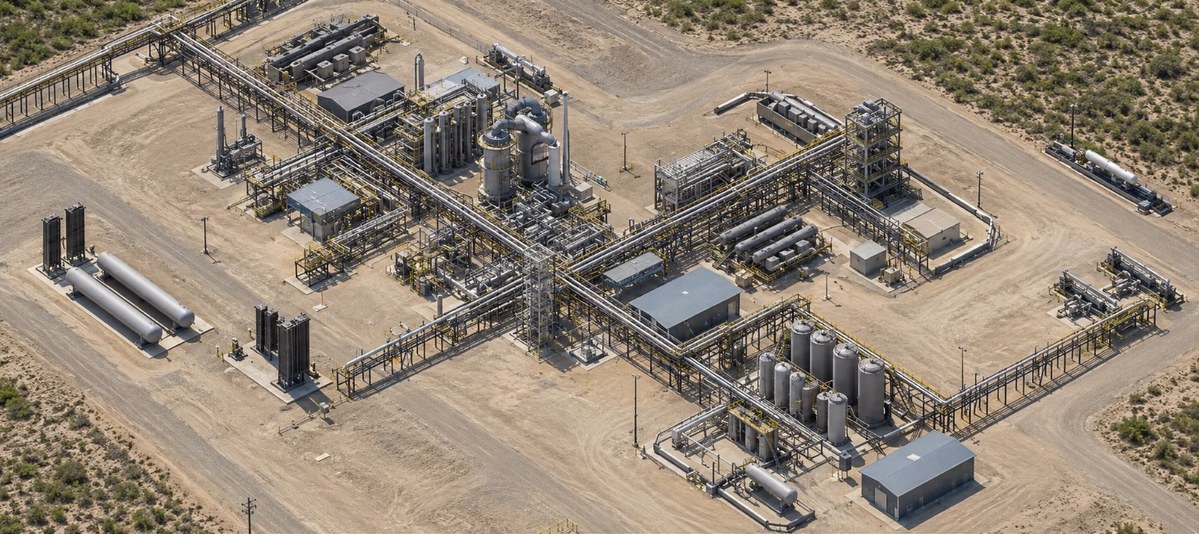
Scroll sideways to follow the whole pathway.
- 2023 Project Pathfinder starts up, the first commercial-scale power-to-liquids plant in the world
- 2026 First US commercial passenger flight on eSAF, Corpus Christi to Dallas Fort Worth
- 250+ Patents worldwide across power-to-liquids and gas conversion
- $1.1B Committed by Brookfield to scale Infinium eSAF production
Fuels and chemicals that need nothing new to work
Infinium products are not blendstocks that need a new engine, a new tank or a new pipeline. They are the same hydrocarbons the world burns and builds with today, assembled from waste carbon and renewable electricity instead of crude oil. That is why they can go to work now, at commercial volume, in fleets that already exist.
| Product | Replaces | Feedstock route | Status |
|---|---|---|---|
| Infinium eSAF | Fossil jet fuel | Waste CO₂ and renewable power | Flying |
| Infinium mSAF | Fossil jet fuel | Methane and renewable power | Available for development |
| Infinium eDiesel | Petroleum diesel and marine fuel | Either route | In commercial delivery |
| Infinium eNaphtha | Petroleum naphtha | Either route | In commercial delivery |
| Infinium Edge™ Immersion Fluids | Fluorinated and mineral coolants | Waste CO₂ and renewable power | Sampling with operators |
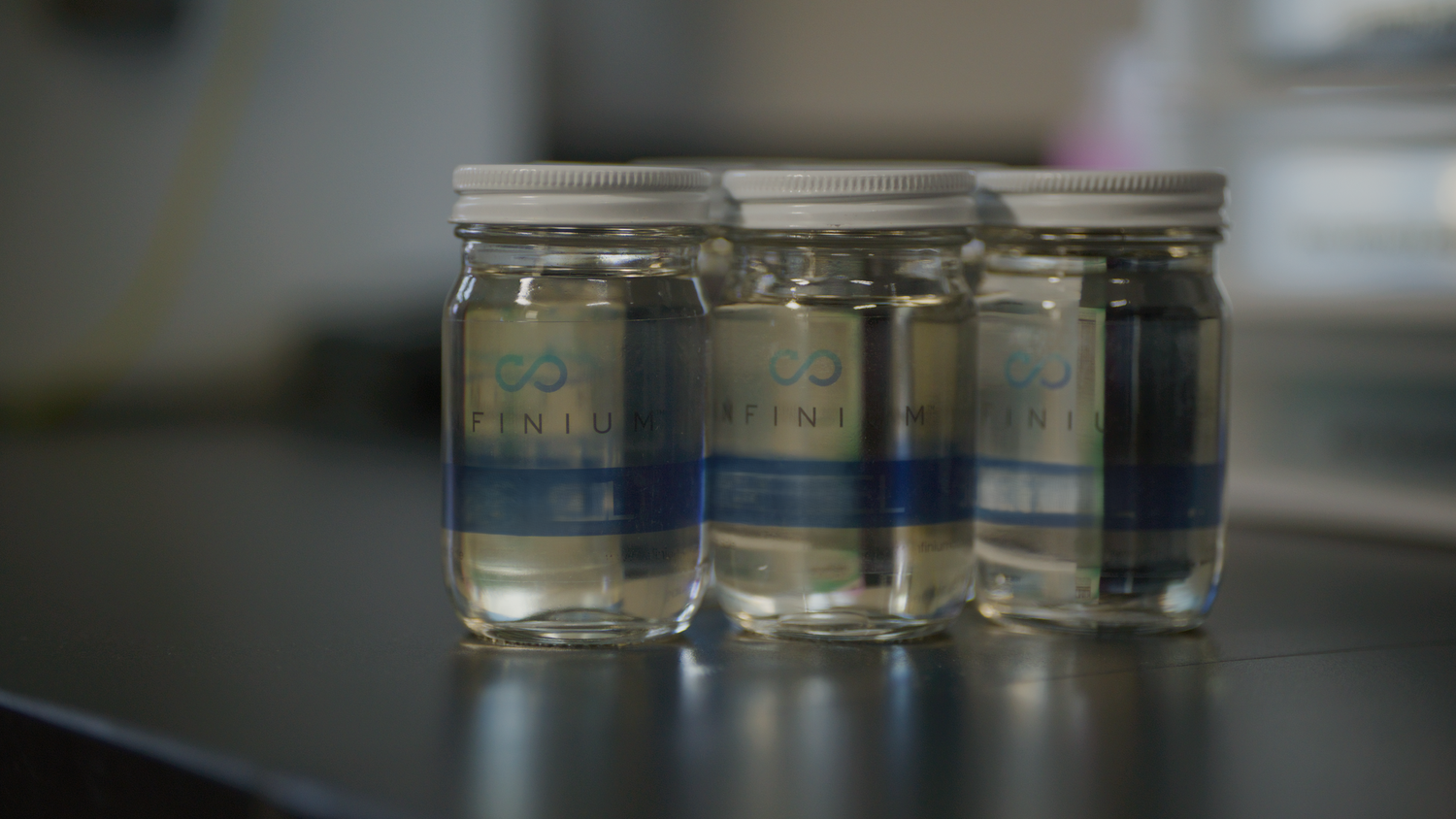
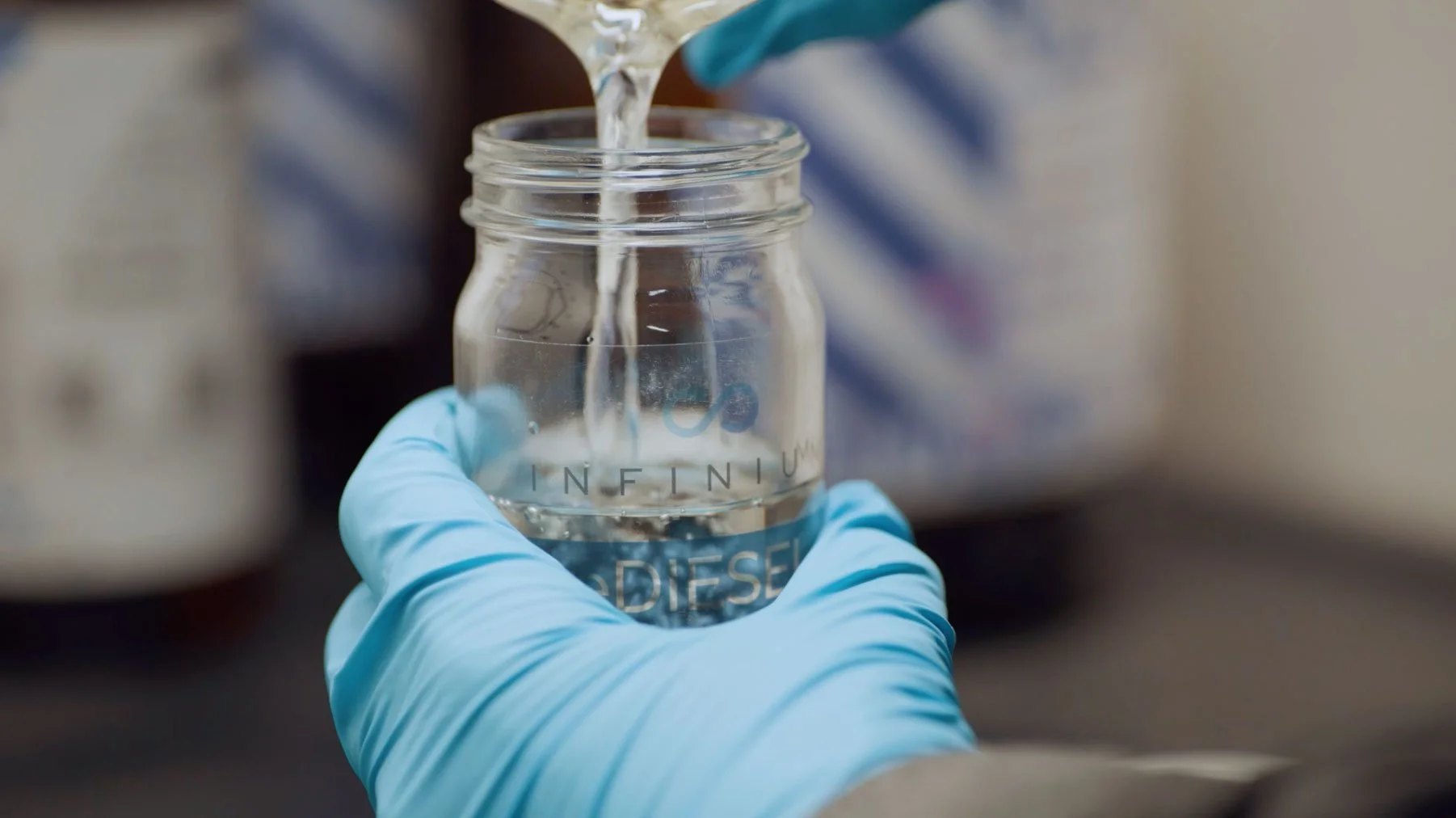

Introducing Infinium mSAF
NeweSAF answers the question of how to make jet fuel without oil. mSAF answers a different one: how to make a great deal of it, quickly, in the places where the feedstock is already stranded.
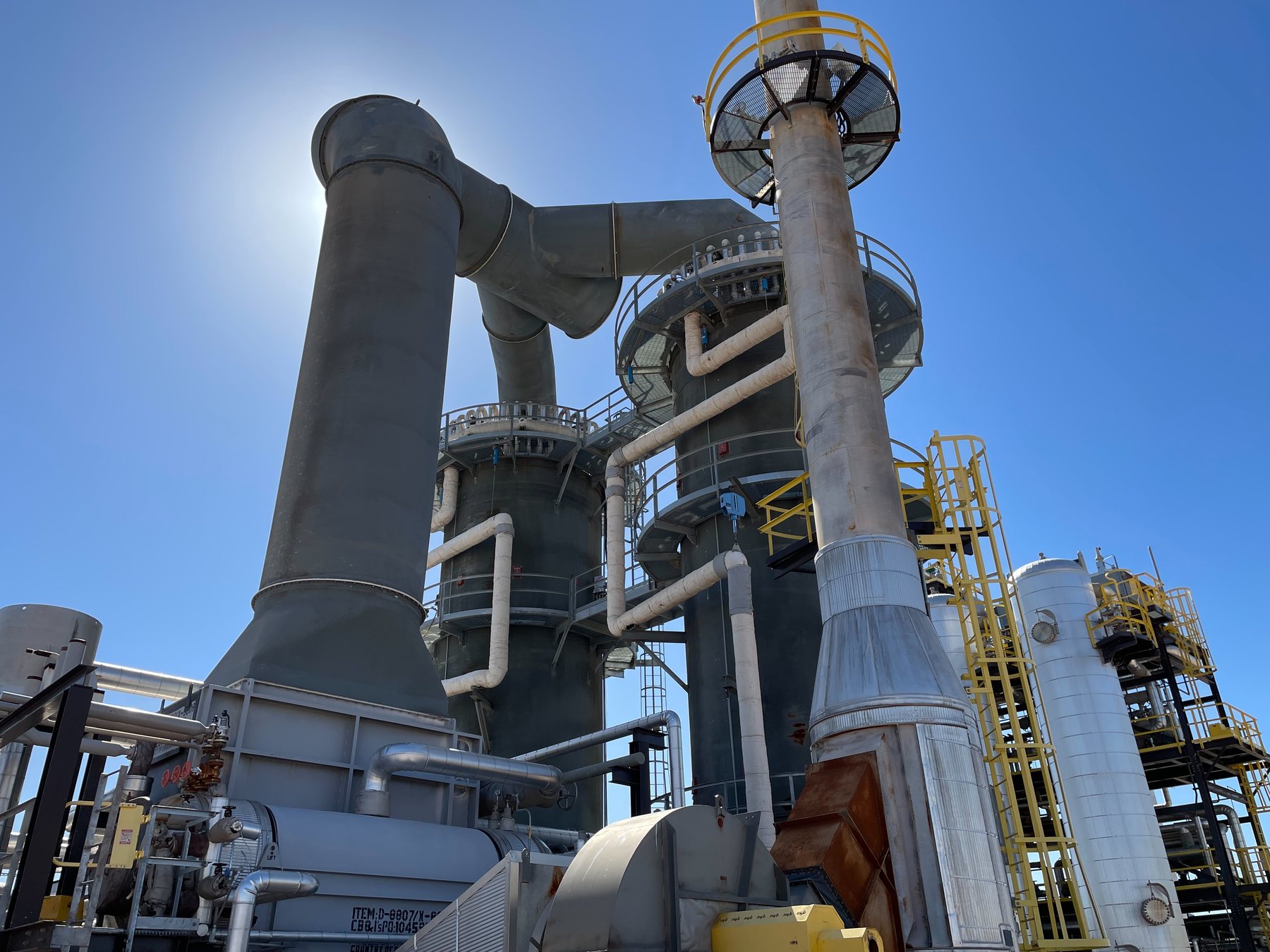
mSAF is sustainable aviation fuel produced from methane — pipeline natural gas, associated gas that would otherwise be flared, renewable natural gas from landfill and digester sites. The gas is reformed into syngas in Infinium Reform™, our electrified steam reformer, then converted to finished jet fuel in the same Synthesize™ step that makes eSAF. No electrolyser. No large carbon capture plant. The same catalyst, the same reactors, the same product specification at the outlet.
Sited where gas already is
Basins with associated gas, RNG clusters and gas processing hubs become fuel production sites without waiting for new renewable build-out.
Lower cost per gallon
Removing the electrolyser removes the single largest capital and power cost in the power-to-liquids stack.
Same molecule at the outlet
Synthetic paraffinic kerosene with no sulfur and very low aromatics — the fuel handling chain cannot tell the difference.
The plant is the product too
Infinium sells fuel, and it sells the means of making it. Each of the three core systems has been operated at commercial scale, and each can be licensed with its catalyst and core equipment into an existing refinery, gas plant or greenfield site.
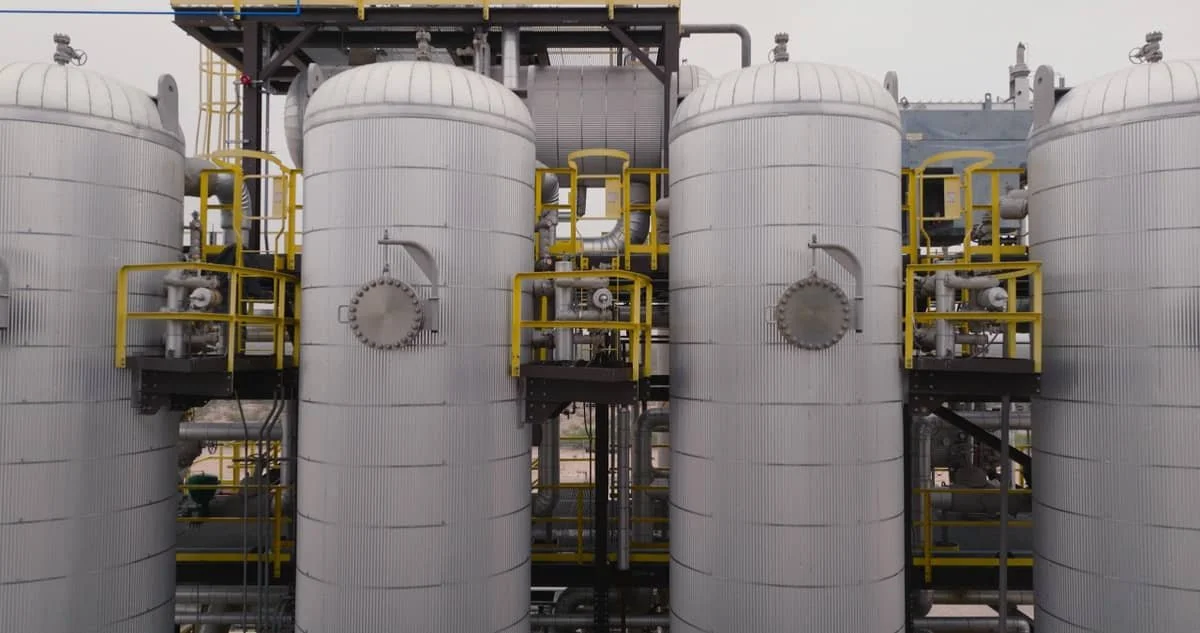
Infinium React™
Reverse water-gas shift. Waste CO₂ and hydrogen become low-carbon syngas. Operating commercially since 2023 — the first plant of its kind anywhere.
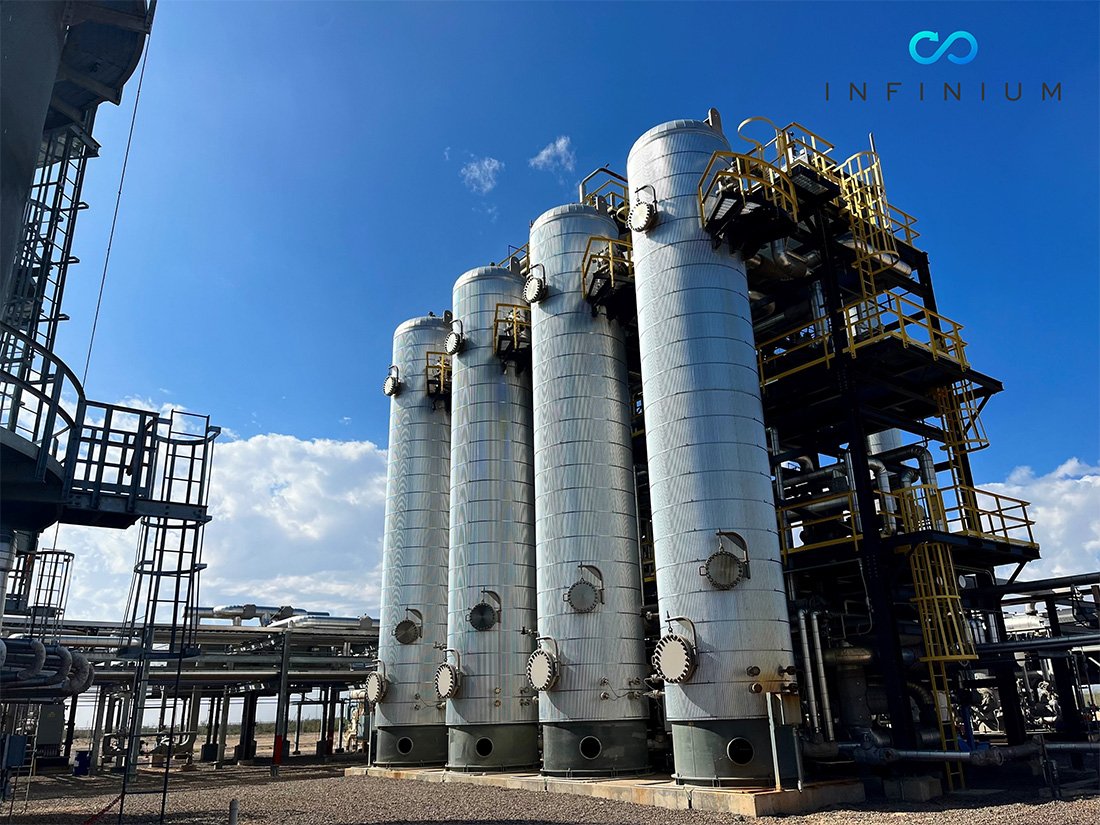
Infinium Synthesize™
A chain-limiting catalyst that produces finished liquid fuel directly, rather than the wax a conventional Fischer-Tropsch train yields. No wax refining, no trip to a refinery.
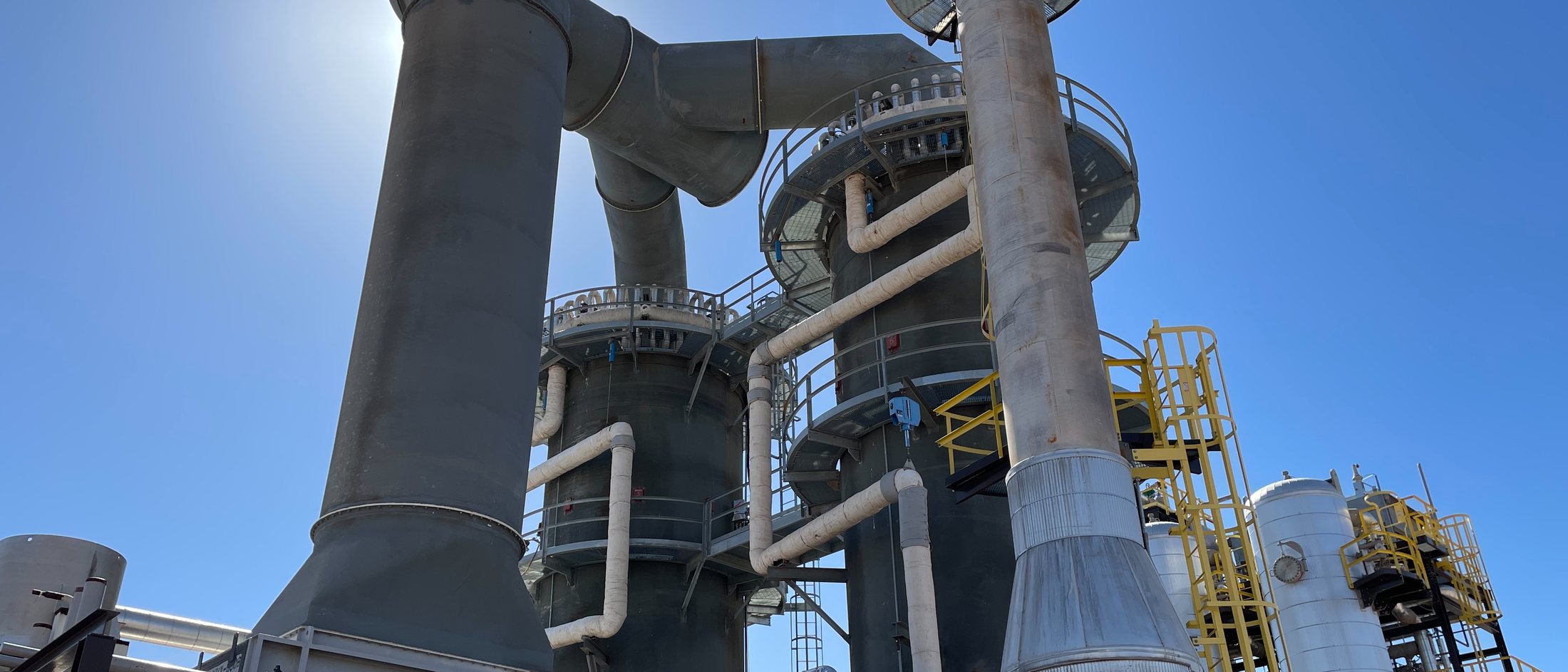
Infinium Reform™
The world's first commercial-scale electrified steam methane reformer, and the world's largest now under construction. Power replaces fired heat, which removes the combustion emissions that make conventional reforming carbon-intensive.
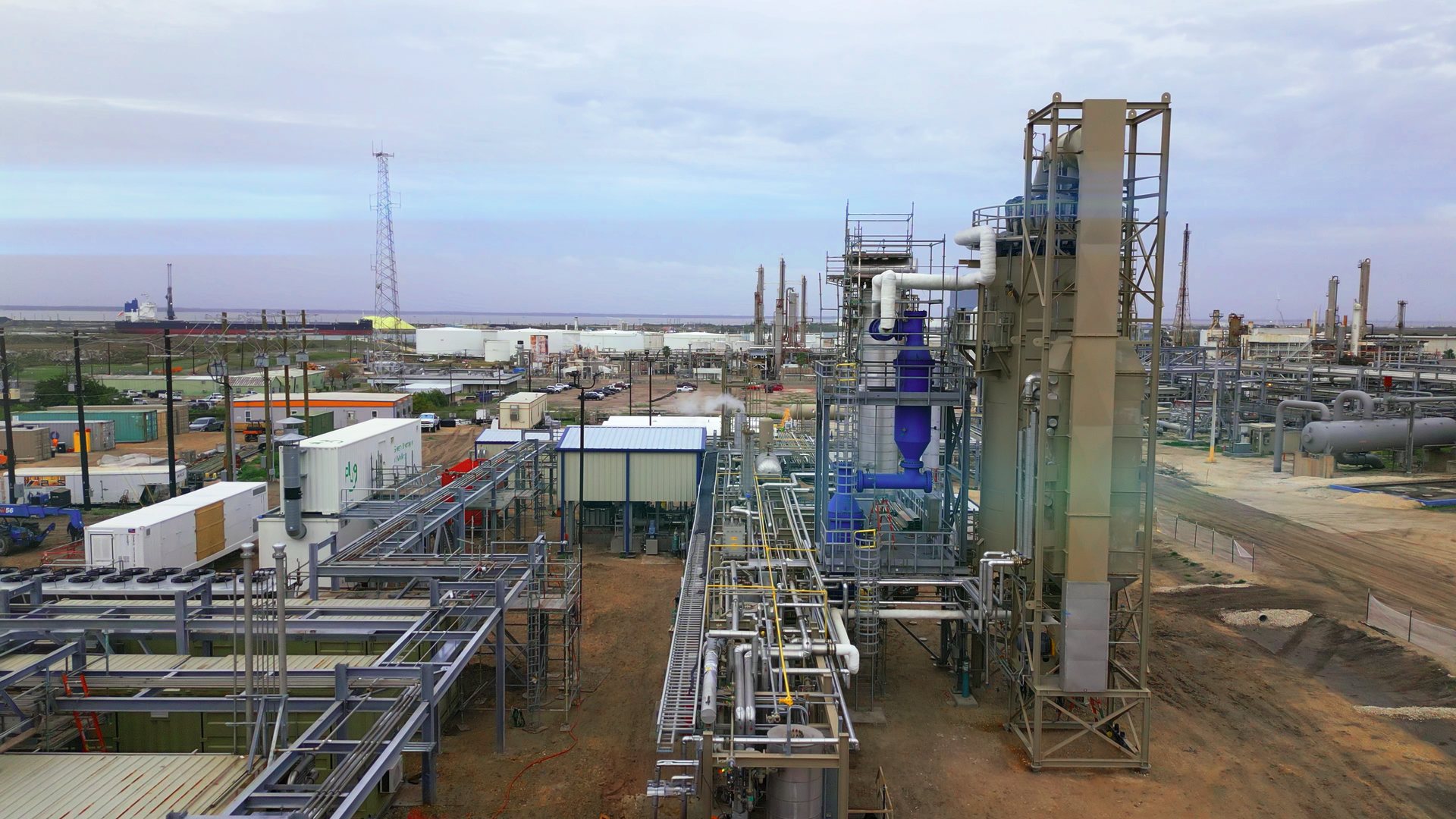
Built, building, contracted
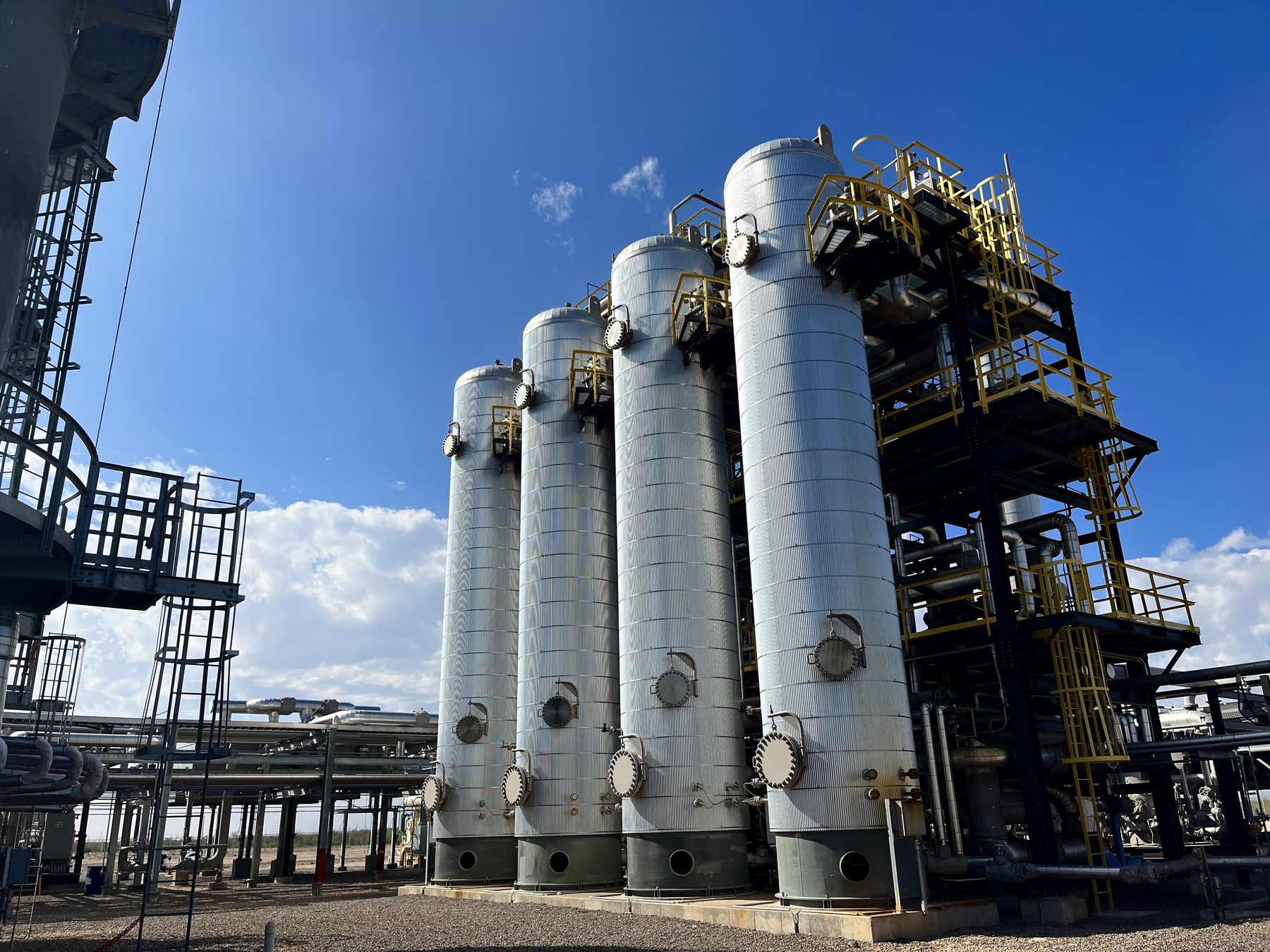
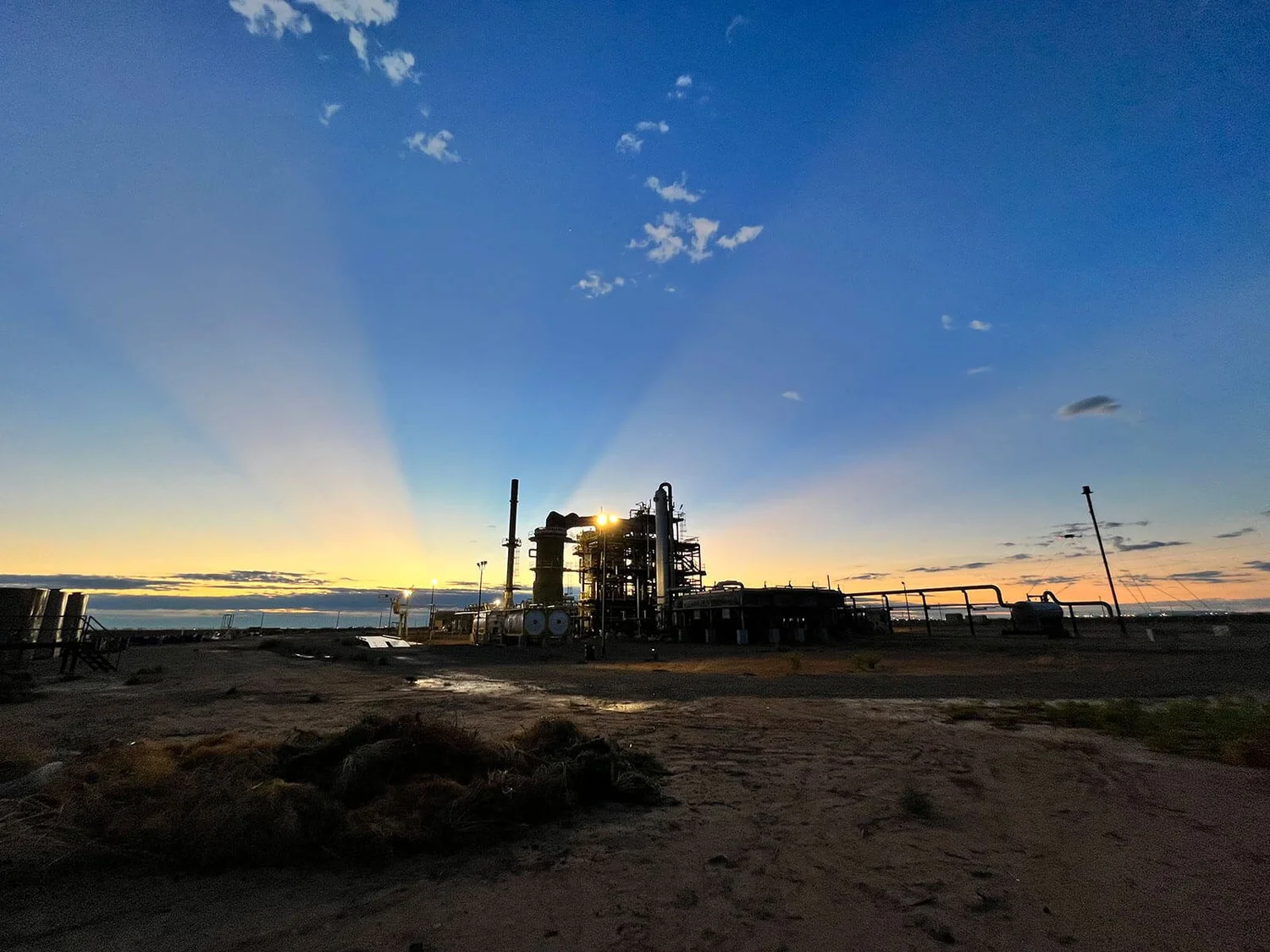
| Project | Location | Products | Stage |
|---|---|---|---|
| Pathfinder | Corpus Christi, Texas | eSAF, eDiesel, eNaphtha | Operating since 2023 |
| Roadrunner | Reeves County, Texas | eSAF, eDiesel, eNaphtha | Under construction |
| Atlas | United States | eSAF | In development, first fuel 2029 |
| Mo i Rana | Mo Industrial Park, Norway | eSAF | In development |
| eFuels SEA | Southeast Asia | eSAF and other eFuels | Licensed development platform |
Already in customers' hands
- American Airlines — long-term offtake for eSAF, and the first US commercial passenger flight powered by it
- IAG — ten-year purchase agreement covering British Airways, Aer Lingus and the group's other carriers
- Amazon — eDiesel from Pathfinder in delivery fleet operation
- Borealis — eNaphtha as feedstock for low-carbon plastics
- On — eNaphtha behind CleanCloud, the first EVA midsole made from captured carbon at commercial scale
- Sustainable Aviation Buyers Alliance — Project Atlas selected as winner of the next-generation SAF procurement
A decade of catalyst work
The chemistry behind Infinium was refined over more than ten years before anything was built at commercial scale. That order matters: the company reached commercial operation because the catalyst and reactor work was finished first, not because a demonstration was scaled on hope.
Infinium is backed by strategic and financial investors across North America, Europe and Asia, including Brookfield, Breakthrough Energy Catalyst, Amazon, NextEra Energy Resources, Mitsui & Co., Mitsubishi Heavy Industries, Mitsubishi Corporation, SK, AP Ventures and Sumitomo Mitsui Trust Bank.
What are you trying to decarbonise?
Airlines buying fuel, industrial operators sitting on a CO₂ or gas stream, and licensees who want to build their own plant all start in the same place: a conversation about volumes, timing and site.
More than a quarter of the world's carbon dioxide emissions come from the planes, ships and trucks that move goods and people. Those engines are not going away this decade. The fuel in them can.
- Infinium and American Airlines announce commercial passenger flight powered by eSAF
- Infinium supplies the eNaphtha behind On's CleanCloud midsole
- Sumitomo Mitsui Trust Bank invests in Infinium
- eFuels SEA launches to develop eFuels projects across Southeast Asia using Infinium technology
- Project Atlas named winner of the SABA next-generation SAF procurement
- Infinium launches Edge™ immersion cooling for high-density AI data centres